


Cybersecurity
Leading the digital defense frontier with cutting-edge cybersecurity education and training
NBA Accreditation
The Cybersecurity programme is accredited by the National Board of Accreditation (NBA), recognizing its commitment to academic excellence, outcome-based education, and continuous quality improvement.
About the Department
CSE (Cyber Security) is designed to address the industry's increasing demand for skilled security professionals in the public and private sector, both in the Data Security and in the Network/Cloud Security domains. The emphasis of the program is to nurture students with the knowledge and skills required to secure computers, detect and analyze attacks and threats, respond to attacks, develop security policies, procedures, and standards.
Vision
Produce competent Computer and Cyber security professionals with skills in software and security systems, scientific temper, values, ethics, team spirit and capabilities to face new challenges.
Mission
- Provide conducing learning environment with state-of-the-art infrastructure facilities, laboratories and teaching learning systems.
- Produce skilled Cyber security Engineers with skills towards employability, leadership, communication skills with social responsibilities and ethical values.
- Inculcate Professional skills to function as proficient Cyber security engineers, programmers and designers capable of building sustainable software and security systems and infrastructure for the society.
- Promote research and development activities in the rapidly changing technologies related to Cyber security and allied domains.
PEO1: Technical Skills
Apply their technical competence in computer science to solve real world problems, with technical and people leadership.
PEO2: Problem Solving Skills
Conduct cutting edge study and develop solutions on problems of social relevance.
PEO3: Professional Skills
Work in a business environment, exhibiting team skills, work ethics, adaptability and lifelong learning.
PO1: Engineering knowledge
Apply the knowledge of mathematics, science, engineering fundamentals, and an engineering specialization to the solution of complex engineering problems.
PO2: Problem analysis
Identify, formulate, review research literature, and analyze complex engineering problems reaching substantiated conclusions using first principles of mathematics, natural sciences, and engineering sciences.
PO3: Design/development of solutions
Design solutions for complex engineering problems and design system components or processes that meet the specified needs with appropriate consideration for the public health and safety, and the cultural, societal, and environmental considerations.
PO4: Conduct investigations of complex problems
Use research-based knowledge and research methods including design of experiments, analysis and interpretation of data, and synthesis of the information to provide valid conclusions.
PO5: Modern tool usage
Create, select, and apply appropriate techniques, resources, and modern engineering and IT tools including prediction and modeling to complex engineering activities with an understanding of the limitations.
PO6: The engineer and society
Apply reasoning informed by the contextual knowledge to assess societal, health, safety, legal and cultural issues and the consequent responsibilities relevant to the professional engineering practice.
PO7: Environment and sustainability
Understand the impact of the professional engineering solutions in societal and environmental contexts, and demonstrate the knowledge of, and need for sustainable development.
PO8: Ethics
Apply ethical principles and commit to professional ethics and responsibilities and norms of the engineering practice.
PO9: Individual and team work
Function effectively as an individual, and as a member or leader in diverse teams, and in multidisciplinary settings.
PO10: Communication
Communicate effectively on complex engineering activities with the engineering Community and with society at large, such as, being able to comprehend and write effective reports and design documentation, make effective presentations, and give and receive clear instructions.
PO11: Project management and finance
Demonstrate knowledge and understanding of the engineering and management principles and apply these to one's own work, as a member and leader in a team, to manage projects and in multidisciplinary environments.
PO12: Life-long learning
Recognize the need for, and have the preparation and ability to engage in independent and life-long learning in the broadest context of technological change.
PSO1: Technological Ability
Exhibit design and programming skills to build and automate business solutions using cutting edge technologies.
PSO2: Problem Solving Skill
Strong theoretical and practical foundation leading to excellence and excitement towards problem solving, to provide elegant solutions to complex problems.
PSO3: Application Development
Ability to work effectively with various engineering fields as a team to design, build and develop system applications.
4 Years
Program Duration
60
Annual Intake
98%+
Placement Rate
AICTE
Approved
Our cybersecurity curriculum provides comprehensive knowledge in protecting digital assets, securing networks, and combating cyber threats with hands-on practical training.
Curriculum and Syllabus 2023
Our cybersecurity department comprises experienced faculty members with industry certifications, research expertise, and practical experience in protecting digital assets and combating cyber threats.
M.MAHESH
Assistant Professor
B.E.,M.E.,
V.CHARLIN SHAJU
Assistant Professor
B.E.,M.E.,
Mr.C.SIVASAMY
Assistant Professor
B.E.,M.E.,
Ms.S.MANIMEHALA
Assistant Professor
B.E.,M.E.,
Ms.R.PAVITHRA
Assistant Professor
B.E.,M.E.,
Ms.G.MALARVIZHI
Assistant Professor
B.E.,M.E.,
Ms.ANIE SUJITHA
Assistant Professor
B.E.,M.E.,
Mr.K.THARANIA
Assistant Professor
B.E.,M.E.,
- Certified Ethical Hacker (CEH)
- Certified Information Systems Security Professional (CISSP)
- Offensive Security Certified Professional (OSCP)
- Certified Information Systems Auditor (CISA)
- Published 50+ research papers in cybersecurity
- Industry consultation projects with leading tech companies
Department Facilities
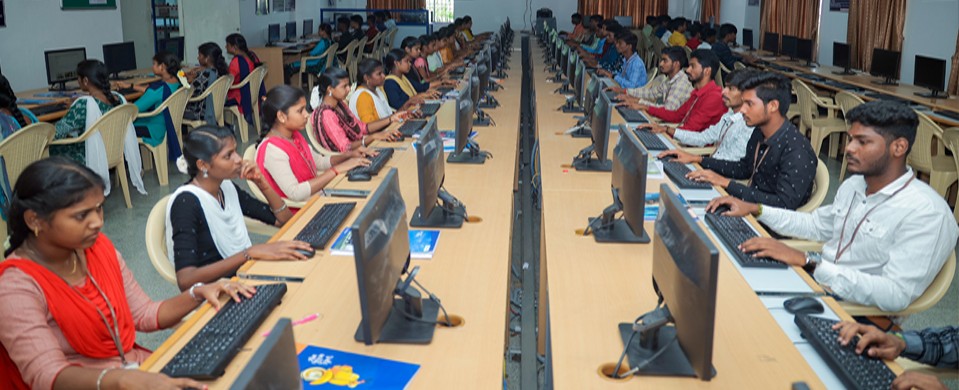
- State-of-the-art cybersecurity lab with 60 high-performance systems
- Isolated network environment for safe hands-on hacking practice
- Latest security tools and penetration testing software
- Virtualized environments for malware analysis and reverse engineering
- Security operations center simulation setup
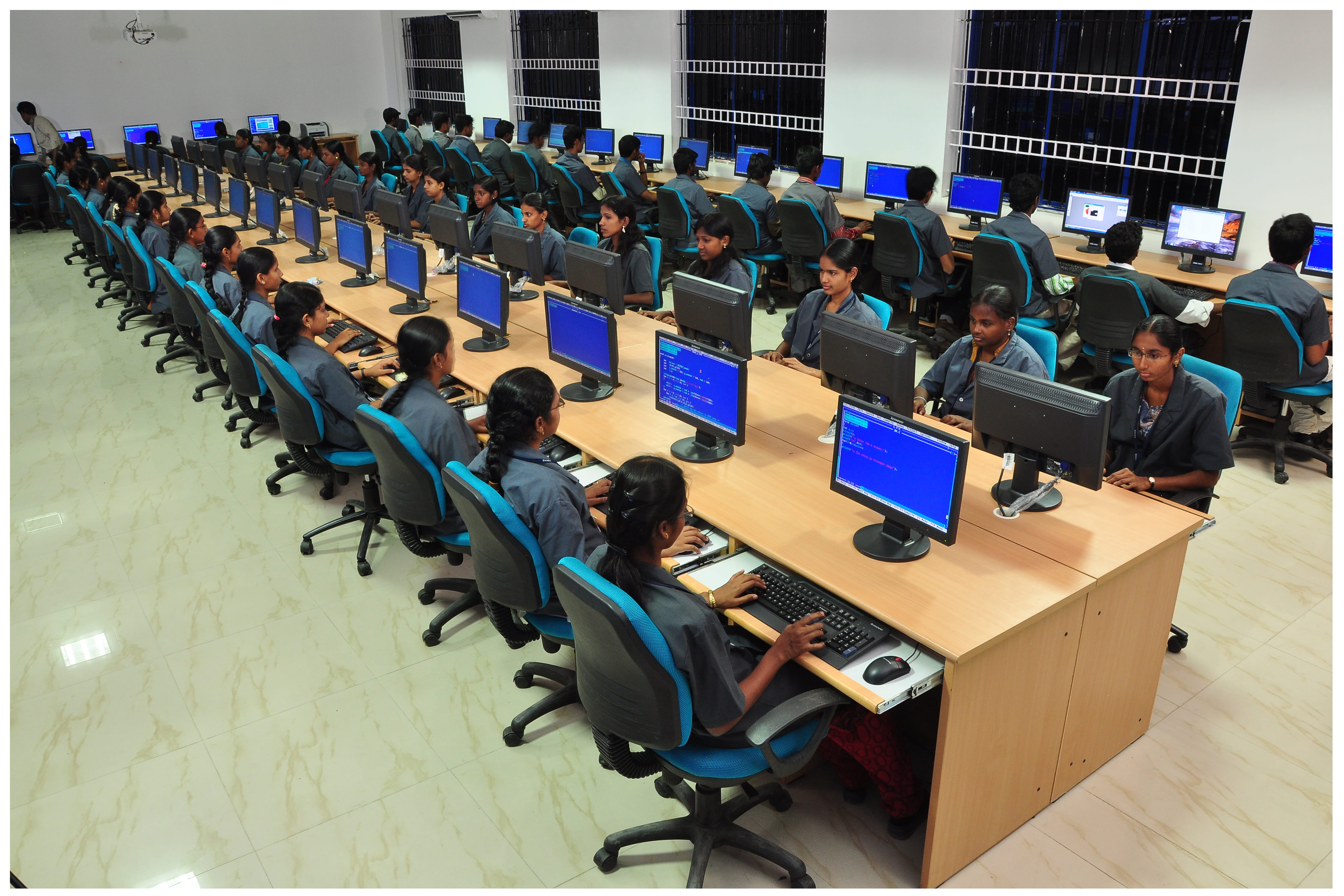
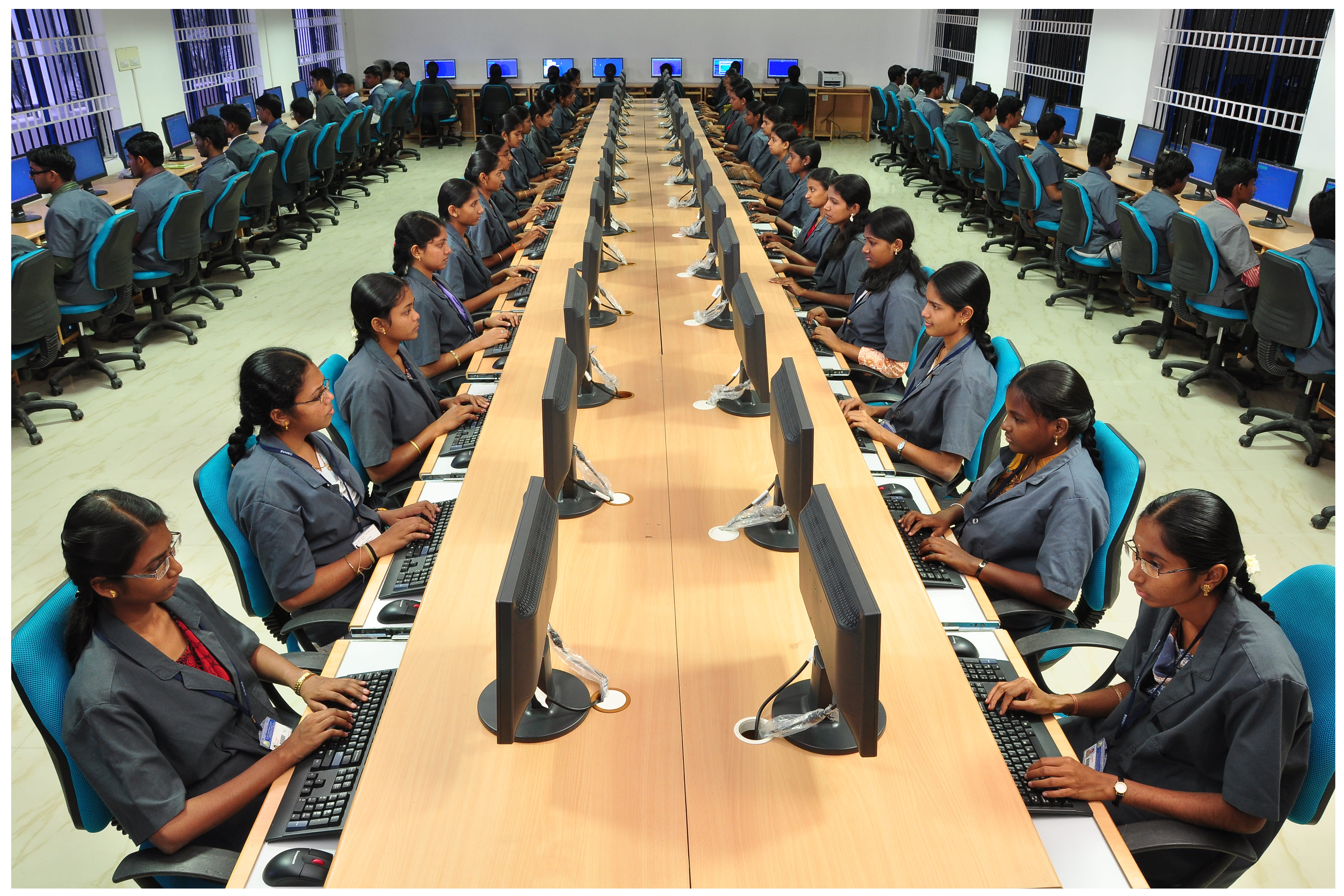
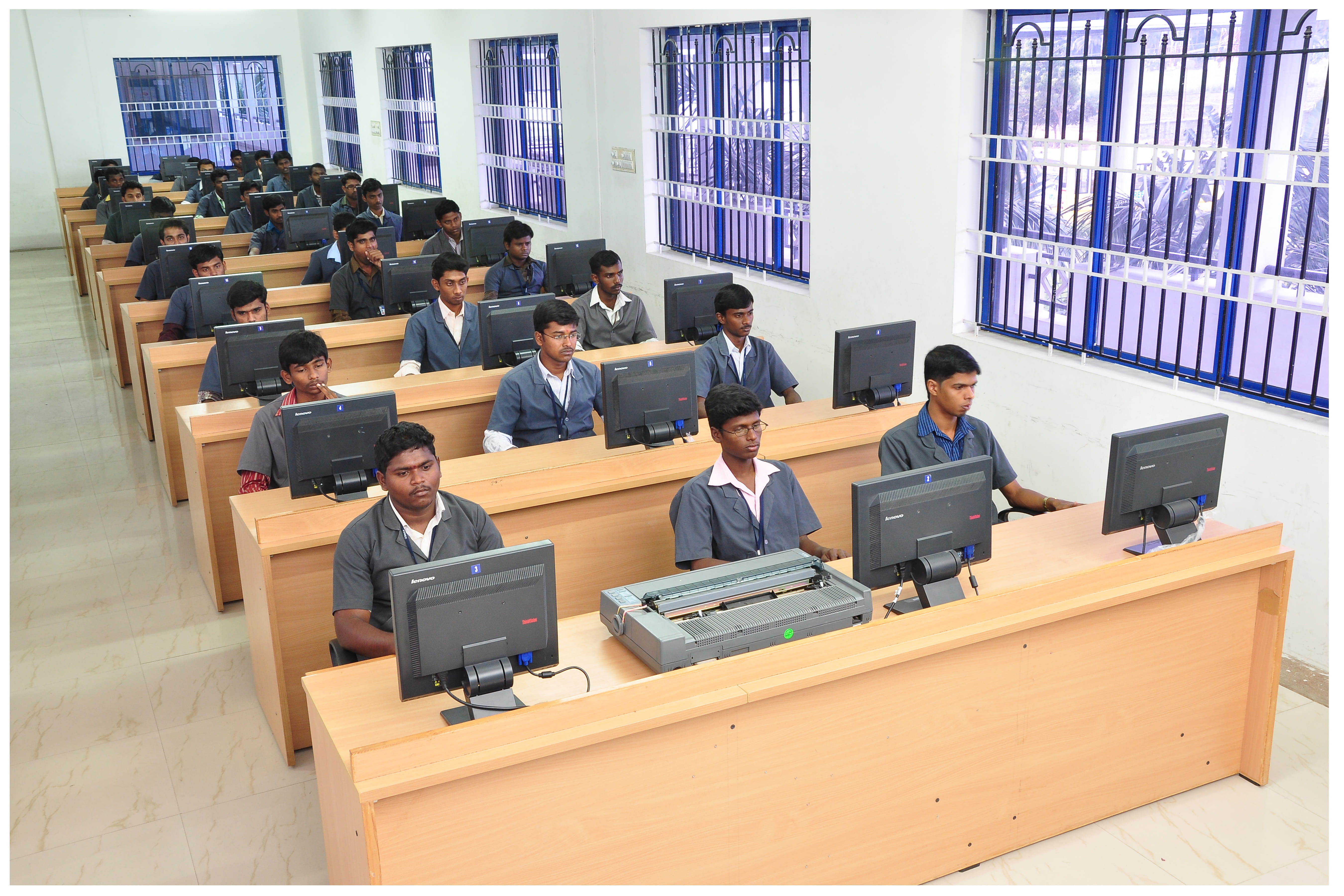
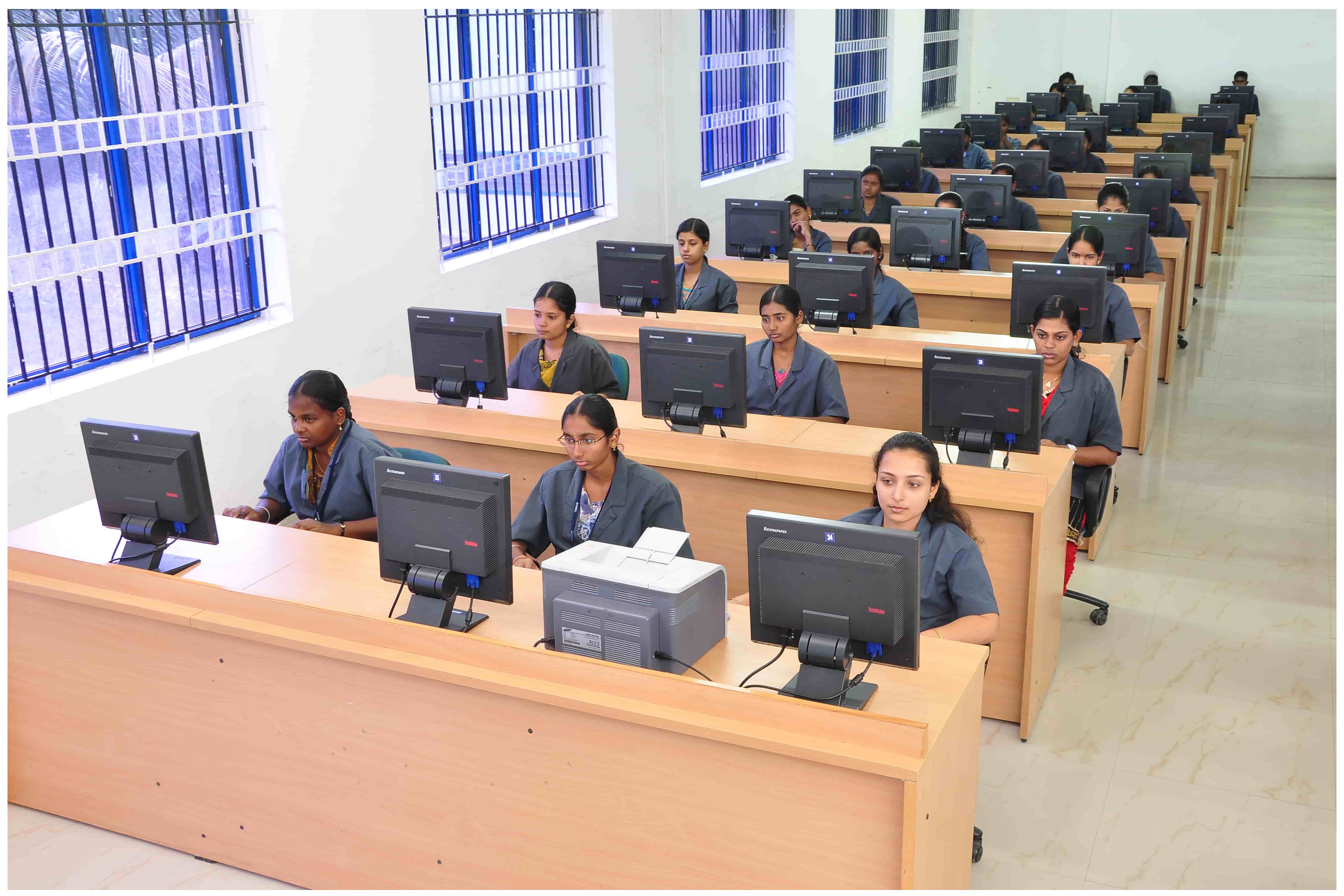
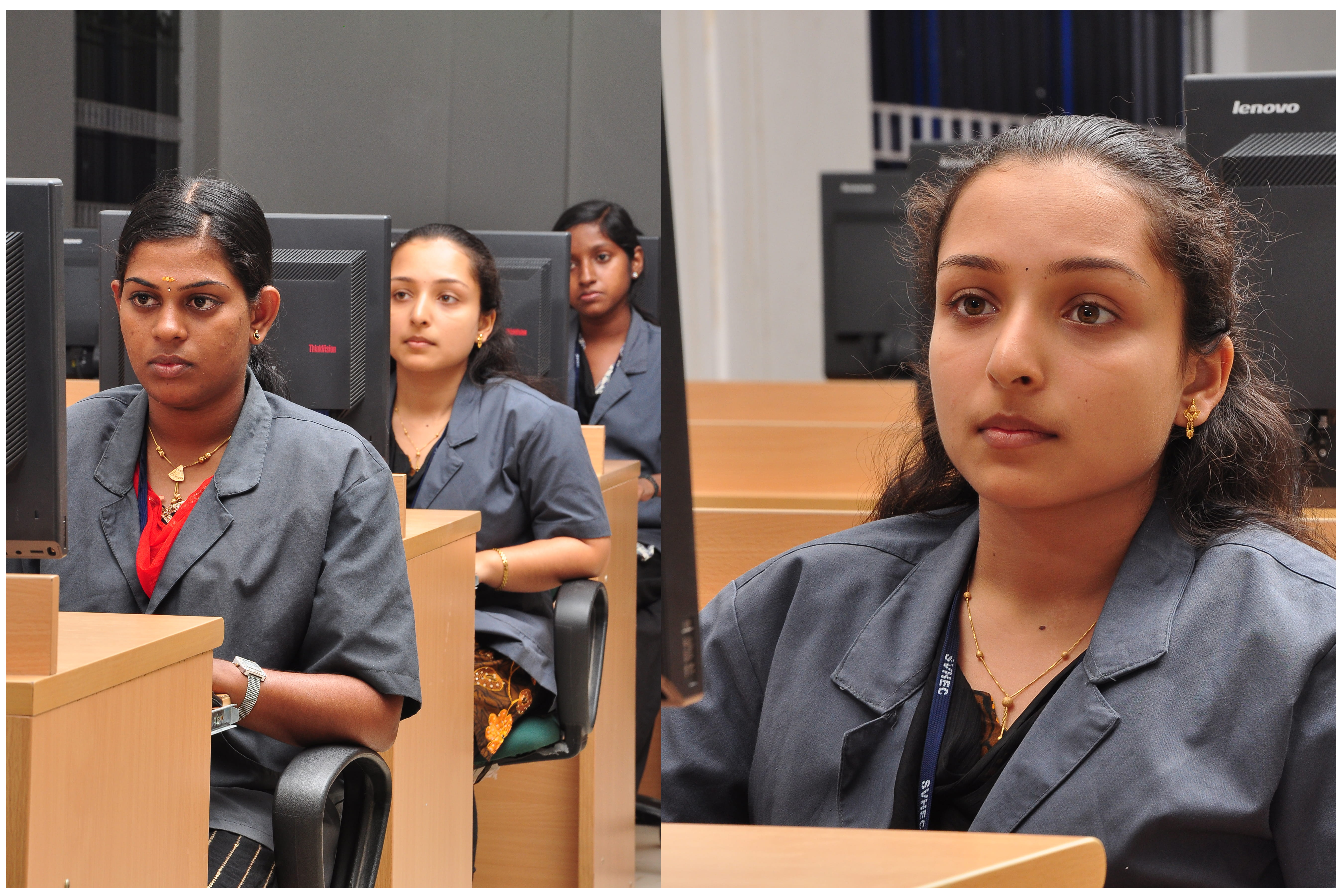
Our dedicated SOC provides hands-on training in:
- Real-time security monitoring and threat detection
- SIEM (Security Information and Event Management) tools
- Incident response and forensics investigation
- Security operations workflow and processes
Advanced cyber range for simulated cyber warfare scenarios:
- Red team vs Blue team exercises
- Critical infrastructure protection scenarios
- Multi-stage attack simulations
- Team-based cyber defense competitions
Ethical Hacking Tools:
- Metasploit Framework
- Burp Suite
- Nmap
- Wireshark
- John the Ripper
Security Analysis Tools:
- Splunk SIEM
- Elastic Stack
- Snort
- OSSEC
- Nessus
Specialized equipment and software for digital forensics training:
- Write-blockers for evidence preservation
- Forensic imaging and analysis tools
- Mobile device forensics equipment
- Network forensics and packet analysis
- Malware analysis sandbox
Our department is actively engaged in cutting-edge research in cybersecurity, focusing on emerging threats, defense mechanisms, and innovative security solutions.
- AI and Machine Learning in Cybersecurity
- Blockchain Security Applications
- IoT and Critical Infrastructure Security
- Quantum Cryptography
- Cyber Threat Intelligence
- Privacy-Preserving Technologies
- Published 80+ research papers in international journals
- Received funding from DST and AICTE for security projects
- Developed security solutions for local industries
- Organized national cybersecurity conferences
- Student teams won multiple CTF competitions
Students actively participate in:
- Security research projects
- Capture The Flag (CTF) competitions
- Bug bounty programs
- Security tool development
Partnerships with leading organizations:
- Cisco Networking Academy
- Palo Alto Networks Academic Alliance
- Microsoft Security Response Center
- Local IT companies for internships
Department Activities
- Cybersecurity Club – Weekly security discussions, CTF competitions, and workshops
- Ethical Hacking Club – Regular hacking challenges and vulnerability disclosure training
- Digital Forensics Club – Hands-on forensics investigations and case studies
- Capture the Flag Team – Competitive CTF participation at national and international levels
- CYBERCON – Annual cybersecurity conference and hackathon
- Security Bootcamp – Intensive hands-on security training program
- CTF Competition – Inter-college capture the flag contest
- Security Awareness Week – Campus-wide cybersecurity awareness campaign
- Cyber Defense Workshop – Network defense and incident response training
- Guest lectures by cybersecurity industry experts
- Industrial visits to security operations centers
- Internship opportunities in leading security firms
- Industry-sponsored security projects
- Mentorship programs with security professionals
- Ethical Hacking and Penetration Testing
- Digital Forensics and Incident Response
- Network Security and Monitoring
- Web Application Security
- Mobile Security Testing
- Security Certification Preparation
- Cybersecurity awareness campaigns in schools
- Free security workshops for small businesses
- Online safety awareness for senior citizens
- Community cyber defense training programs
Department Gallery
Cyber Lab Inauguration 07.11.2025


FDP 27.09.2025


SAP on Cyber Security 17.10.2025


TechTalk 07.11.2025


Ready to Join Cybersecurity Program?
Take the first step towards an exciting career in protecting digital assets and combating cyber threats. Contact our department for more information about the program and admission process.